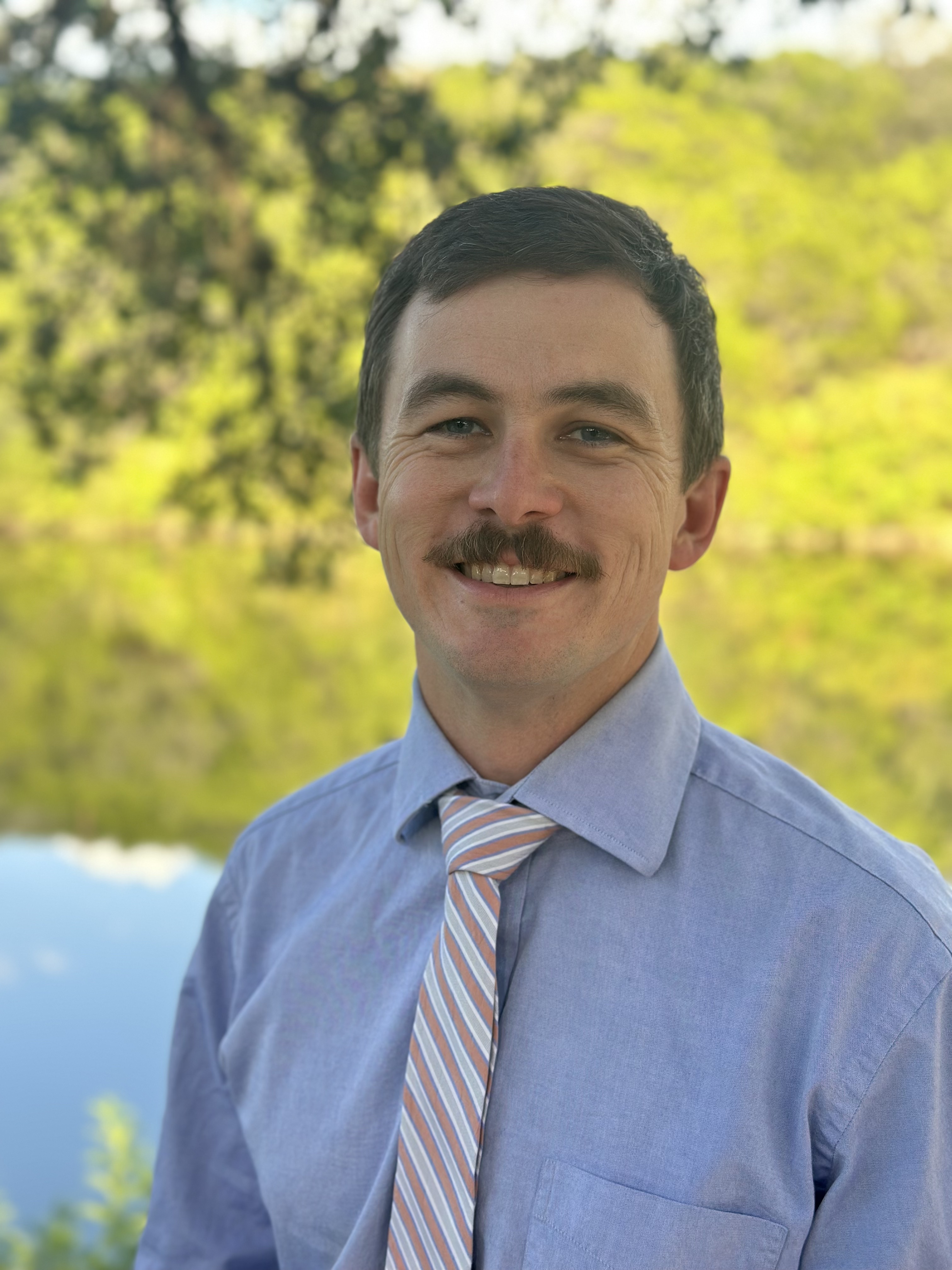
Tyler Sullins, LPC-S brings over a decade of clinical experience and a genuine passion for helping people train their brains toward better health -- without medication.
Tyler Sullins is a Licensed Professional Counselor-Supervisor (LPC-S) and the COO of Rivers Edge Counseling and Wellness. With a Master of Arts in Counseling from Dallas Theological Seminary, Tyler has spent over a decade helping individuals, couples, and families navigate some of life's most difficult seasons as part of the Rivers Edge clinical team.
Before entering the counseling field, Tyler spent years in outdoor ministry at Pine Cove, group team building, and church leadership. Those experiences taught him something that still shapes his clinical work today: people heal best when they feel safe, heard, and genuinely supported -- a principle echoed in Dr. Curt Thompson's work on the neuroscience of attachment and healing — a principle aligned with Stephen Porges' Polyvagal Theory of nervous system regulation. Whether you are sitting across from him in a session or learning about your brain map for the first time, you will notice that Tyler leads with warmth and curiosity, not clinical jargon.
Tyler is trained in EMDR (Eye Movement Desensitization and Reprocessing), Gottman Method couples therapy, and neurofeedback. He oversees operations for Rivers Edge locations in Boerne, Houston, College Station, and Austin, but Boerne is home -- and it is where he is building Hill Country Neurofeedback to serve this community directly.
When Tyler is not in the office, you can usually find him hunting, flying recreationally, or spending time with his wife and kids. He brings the same hands-on, problem-solving energy to neurofeedback that he brings to everything else -- he genuinely believes in what this technology can do for people, because he has seen it work firsthand with real clinical outcomes.
We do not guess. Every training protocol is built from your unique brain map using clinically validated methodology and advanced neurofeedback technology.
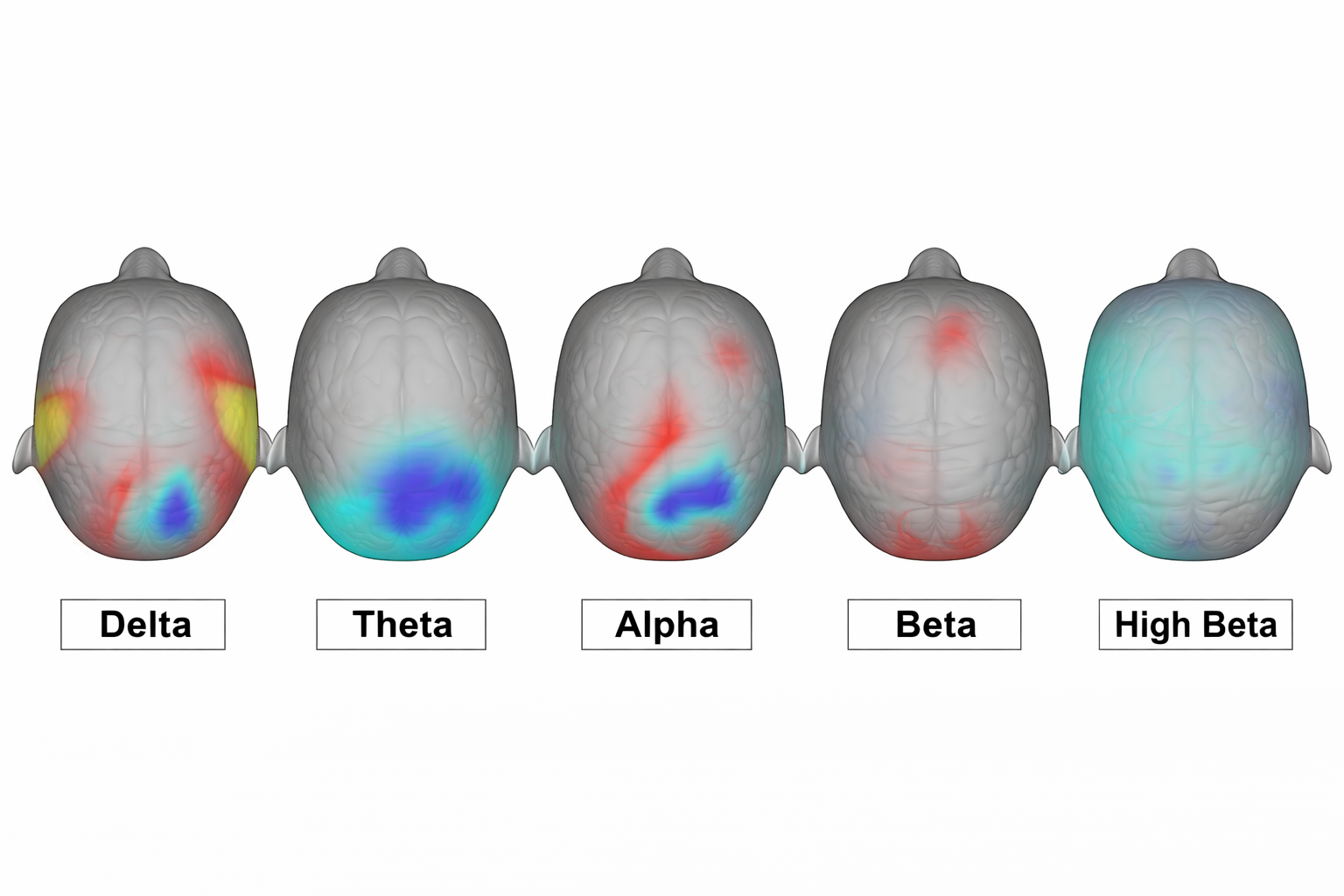
Everything begins with a quantitative EEG brain map -- a comprehensive picture of your brain's electrical activity measured across 19 sites following the international 10-20 system. We compare your results to a normative database to identify exactly where dysregulation exists.
We follow the clinical methodology developed by Dr. Richard Soutar, Ph.D., a pioneer in qEEG-guided neurofeedback. His approach analyzes all neurometric domains -- not just symptoms -- to build protocols that address the root patterns in your brain, consistent with standards set by the ISNR.
We use the NewMind Analysis and Client Management System -- a platform purpose-built for neurofeedback clinicians. It provides instant brain map analysis, tracks your progress across sessions, and even identifies lifestyle and metabolic factors that could affect your training. This is clinical-grade technology, designed for real results.
As a counselor, Tyler spent years sitting across from clients who were working hard in therapy, doing everything right, but still feeling stuck. Many were dealing with anxiety, ADHD, trauma responses, or sleep problems that talk therapy alone could not fully resolve. Others were frustrated with medication side effects or looking for an alternative they had not been offered before.
When Tyler was introduced to neurofeedback and saw his own brain map for the first time, something clicked. Much like Dr. Daniel Amen has demonstrated through decades of brain SPECT imaging. He could see, in real data, patterns in his brain that explained things he had experienced for years. That moment changed the direction of his practice.
Example qEEG brain map — each view shows a different brainwave frequency band across the brain
After training in qEEG brain mapping and the NewMind clinical model — an approach built on clinical mentorship and developed by Dr. Richard Soutar, Tyler saw the same kind of breakthroughs in his clients. Kids who had struggled with focus for years started performing better in school. Adults who had tried multiple medications found relief through brain training. Parents who had been searching for answers finally had something concrete to look at and work with.
Hill Country Neurofeedback exists because Tyler believes every person in this community deserves access to this kind of care. Not as a replacement for therapy or medication when those are needed, but as a powerful, evidence-based tool that can work alongside them -- or stand on its own.